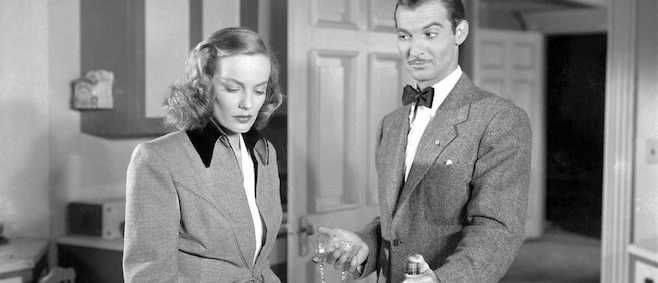
Directed by Robert Florey
Written by C. Graham Baker and Adele Comandini
Starring:
- Faye Emerson as Hilda Fenchurch
- Zachary Scott as Ronnie Mason
- Richard Erdman as Bunkie Taylor
- Rosemary DeCamp as Dr. Jane Silla
- Bruce Bennett as Dr. Andrew Lang
- Mona Freeman as Anne Fenchurch
- John Ridgely as Thomas Turner
- Mary Servoss as Mrs. Fenchurch
Release Date: November 14, 1945
Rating: 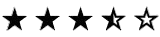
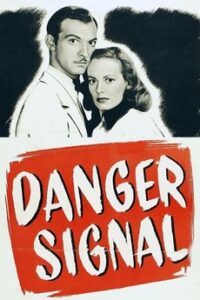 What happens when a pulp novelist starts believing in his own sleazy fiction? This small-scale thriller hit has an answer, with Hollywood’s go-to villain, Zachary Scott, embodying a dangerously charming writer who seduces women for financial gain—murder included—amid a swirl of perversity and Machiavellian games. It’s the sort of role that could easily turn sour, yet Scott’s elegance and charisma keep it perversely appealing. With Robert Florey, one of Hollywood’s avant-garde pioneers, at the helm, the whole thing lands with even more bite.
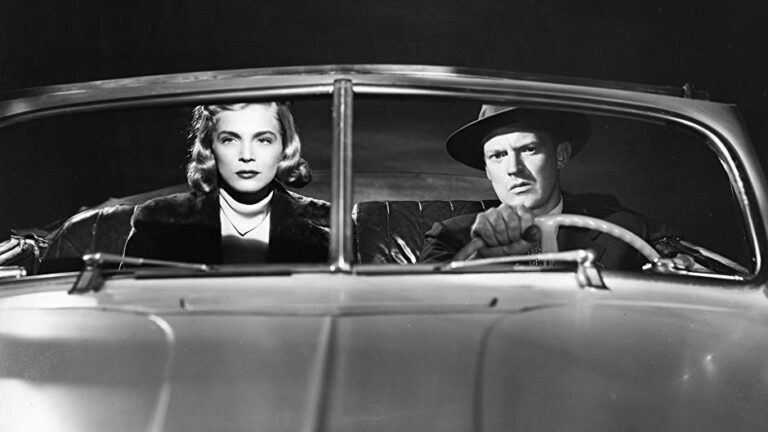
Shot in Los Angeles, the film fires off its first Danger Signal in a whip pan that catches the Hollywoodland sign before you can fully register it. From there, Zachary Scott locks onto a household made up entirely of women, working each angle differently: low-key charm for the matriarch, straight-up seduction for the stenographer daughter, played by Faye Emerson, and a more awkward, quietly predatory fixation on the teenage sister.
A talky setup on the surface—gestures over action—but the film keeps the pressure on, locking its atmosphere tight and pushing the themes into a hotter, more sensational register than your average 1940s noir. The timing matters: released in 1945, in the months after World War II had ended, sharpening the clash between Zachary Scott’s forceful masculinity and the fragile domestic space women are left to occupy.
It taps directly into that divide between pre-war restraint and post-war cynicism, where things get harsher, more aggressive, but still cut with biting wit instead of brute force. The connection to the characters is hard to ignore—American mothers who never saw their sons again, wives who never embraced their husbands again, daughters who never saw their fathers again. All those postwar fears of women seem to gather and harden into Zachary Scott’s big bad wolf. Perhaps Robert Florey reins in his expressionist tendencies more than expected, and the ending plays it cautiously, but the film keeps a steady pace and leans on Zachary Scott’s star power just enough to win us over with the same smooth, villainous charm as its central operator.