Directed by Byron Haskin
Written by Roy Huggins
Starring:
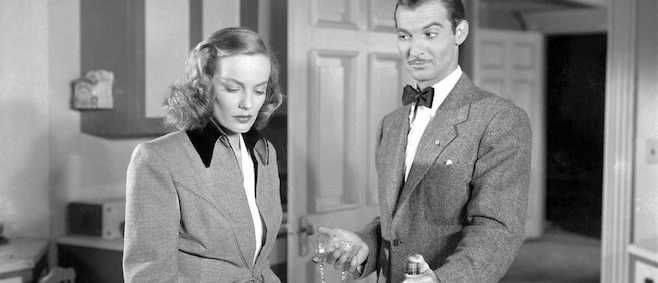
- Lizabeth Scott as Jane Palmer
- Don DeFore as Don Blake
- Dan Duryea as Danny Fuller
- Arthur Kennedy as Alan Palmer
- Kristine Miller as Kathy Palmer
Rating: 
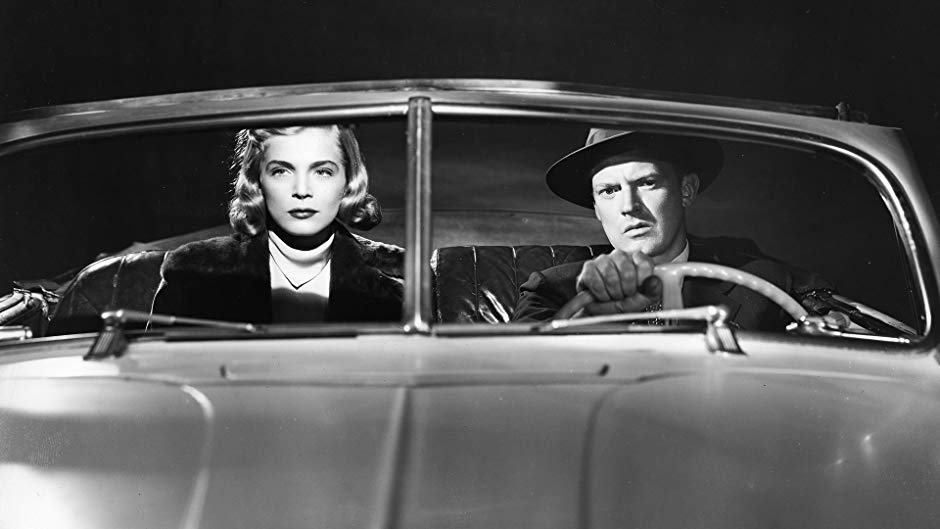
Film noir’s most unforgiving obsessions saturate this caustic post-war bruiser—greed, lust, and murder. Lizabeth Scott slinks through the frame as Jane Palmer, a venomous femme fatale bored stiff by her modest middle-class cage. She hungers for excess, for the glitter of a life she thinks she deserves. Fortune seems to smile when she stumbles onto a bag stuffed with $60,000 of shady origin. She’s ready to pocket it without blinking, but her soft-hearted husband—too blind to spot the ice-cold narcissism under her smile—hesitates. From that stroke of dirty luck onward, Jane spins an escalating run of crooked schemes and doesn’t flinch—she practically savors it—when blood needs to be spilled to protect her newfound treasure. Dan Duryea storms in as the resident sleaze, matching Jane blow for blow in moral rot, though even he can’t match the merciless streak that makes her the real threat.
Even if Byron Haskin burns too much screen time on domestic chatter, his sharp cinematographer’s instincts—and his old tricks as a special-effects pro—give the stripped-down production a surprising punch, adding grit and shadow to the cramped, boxy frames. But the real jolt of mean energy comes from Lizabeth Scott, delivering a monstrous turn that deserves far more recognition. Think Stanwyck’s Phyllis or Tierney’s Ellen are the deadliest dames in the game? Wait until you see Scott’s Jane—a walking frostbite wound of pure, calculated cruelty.
The film uses L.A. like a busted ashtray—no glamour, just the sour reek of decay—turning the Hollywood Hills into a cracked mirror for the greedy dreams rotting the souls who prowl them. It’s the perfect omen for the bloody trail our rotten protagonist carves through his own sins. This pulpy United Artists noir belly-flopped at the 1949 box office; either the audience didn’t have the stomach for its bitterness or the critics’ tight moral corsets kept them from seeing past its cynicism. Sure, the sermonizing politics feel dated now, but its acid-etched take on noir’s favorite fetishes still hits with a jolt of modern venom.