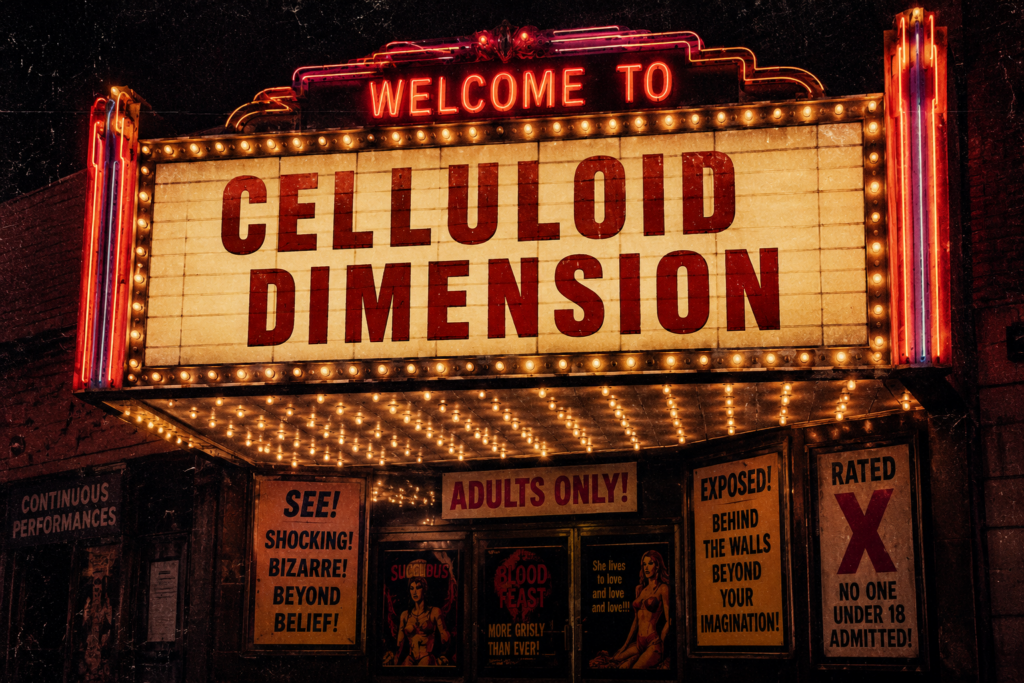
Celluloid Dimension is a space dedicated to the unruly, the haunting, and the fiercely cinematic.
Founded and edited by Matteo Bedon, the site explores film through a deeper lens—one shaped by critical analysis, genre archaeology, and a fascination with the shadow regions of cinema history.
Here, films aren’t simply reviewed; they’re excavated.
I write about movies the way they deserve to be approached: as cultural artifacts, moral battlegrounds, emotional detonators, and strange objects that reveal who we are. From exploitation and horror to noir, cult oddities, and misunderstood masterpieces, Celluloid Dimension is committed to uncovering the ideas, anxieties, and aesthetics buried beneath the image.
My approach blends film theory, literary criticism, and a cinephile’s obsession with the marginal. Whether I’m dissecting the psychosexual architecture of 1970s sleaze, tracing the existential rupture in American cinema, or revisiting a neglected B-movie with scholarly intensity, each piece aims to go beyond surface impressions and into the film’s conceptual bloodstream.
Celluloid Dimension exists for readers who want more than plot summaries or star ratings.
It’s for those who crave context, style, history, and the deeper, sometimes darker pleasures of moving images.
If you believe cinema is a living organism—something to be studied, provoked, challenged, and sometimes worshipped—this is your place.
Welcome to the Dimension.
Rating System:
- ⭐⭐⭐⭐⭐ Five stars is the highest rating, the perfect score, only for masterpieces.
- ⭐⭐⭐⭐½ Almost perfect.
- ⭐⭐⭐⭐ Great film.
- ⭐⭐⭐½ Solid film.
- ⭐⭐⭐ Decent film with passable flaws.
- ⭐⭐½ Flawed film.
- ⭐⭐ Bad film.
- ⭐½ Terribly bad.
- ⭐ Utterly appalling.
- ½ Half star is the lowest rating, a score for the worst movies ever made.