– Wild Beasts is the movie for the weekend. In this section every Saturday or Sunday Celluloid Dimension picks a movie for the weekend. The selections are preferably underrated movies or neglected movies that we think should get more attention. Have fun with these recommendations. –
Directed by Franco E. Prosperi
Written by Franco E. Prosperi
Starring:
-
Lorraine De Selle as Laura Schwarz
-
Antonio Di Leo (credited as John Aldrich) as Rupert Berner
-
Ugo Bologna as Inspector Nat Brauny
-
Louisa Lloyd as Suzy Schwarz
Rating: 
 Just as there is bravura and insensitivity in Franco Prosperi’s morally challenging Goodbye Uncle Tom—a heady mix of mondo sensationalism and historical exploitation—his fierce Wild Beasts shares the same virtue in its cinematic bravura and the same flaw in its unfortunate insensitivity, particularly in its use of animal cruelty as part of its barbaric entertainment. The one time the mondo trailblazer stepped out of the documentary gutter and into the wild world of narrative fiction—delivering his own teeth-bared, claws-out version of the “animals attack” genre, where nature isn’t just angry… it’s out for blood.
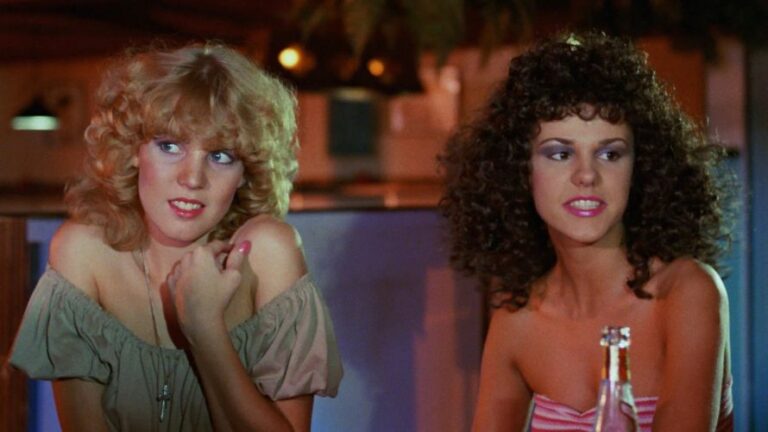
It’s an inexplicably entertaining slice of urban jungle shocker—simple, savage, and soaked in sleaze. All the animals in a Frankfurt zoo go full-on berserk after slurping down PCP-laced water, transforming into wild-eyed, bloodthirsty dope fiends on a rampage. Lorraine De Selle and Antonio Di Leo star as the supposed saviors in this Italian-style animal freakout, apparently the only ones capable of handling the beast-driven zoocalypse. It’s got the blood, the sleaze, the real-deal animal cruelty, and yes, even some damn good filmmaking. That’s the twisted blend powering this mondo-inspired fiction, an unholy mix that many will find as visually gripping as it is ethically repulsive, and one many won’t be able to excuse.
Just three years before this, Noel Marshall’s infamous Roar dropped jaws by putting a real film crew in the middle of a big-cat deathtrap. Think that was reckless? The Italians saw it and said, “Hold my wine.” Their answer? Turn loose wild animals in the streets of Frankfurt—at night. This wasn’t filmmaking, it was a straight-up public safety hazard. Prosperi unleashes a parade of animal mayhem: massive elephants storming down airport runways, big cats tearing through a slaughterhouse like it’s feeding time, a polar bear stalking schoolchildren, a tiger loose in the subway, a cheetah zipping through city traffic, and a helpless cat ambushed by killer rats. It’s one savage set-piece after another. The whole shoot was a ticking time bomb. It did end in tragedy—for the animals. But the actors barely made it out unscathed. What’s wild is that most of the danger made it into the final cut, like Di Leo’s way-too-close encounter with a polar bear. Even Prosperi got nailed—an elephant crushed his foot during that airport runway scene. It’s all there, raw and unfiltered.
It’s hard not to feel both stunned and sick while watching Wild Beasts—equal parts admiration and disgust. The movie’s tactics may be indefensible, but they sure as hell serve the horror. Prosperi may be playing in fiction, but he doesn’t fake it—he brings in mondo lunacy to give the terror some actual teeth. Prosperi shoves mondo grit into every frame, making this one of the most jarringly “real” animal horror flicks you’ll ever crawl through. The scares in Wild Beasts are savage, sure—but it’s the way sound and image come together that makes it feel like a punch to the brainstem. Mario Morra’s editing, honed on mondo documentaries, slices between actual and staged violence so seamlessly that the boundary dissolves. What you’re left with is a piece of exploitation so meticulously deranged it becomes high art in disguise.
I know it’s wrong to like a movie with this much real animal suffering—but I’d be lying if I said I wasn’t a fan. Wild Beasts is rough, violent, and completely unfiltered Italian exploitation. It doesn’t pretend to be art—it’s all grit and guts, and it owns it. But what’s wild is how controlled it actually is: the structure, the timing, the way it builds toward a brutal, ironic finish that throws the mirror back at us. In the end, it’s not the zoo animals we should be afraid of—it’s ourselves. Its finale, as viscerally charged as it is morally unsettling, serves to indict humanity itself as the true apex predator.