Directed by Rino Di Silvestro
Written by Rino Di Silvestro
Starring:
- Annik Borel as Daniella Neseri
- Howard Ross as Luca Mondini
- Dagmar Lassander as Elena Neseri
- Tino Carraro as Count Neseri
- Elio Zamuto as Psychiatrist
Rating: 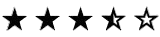
 Perverts, beasts, rapists, and doppelgangers—spilled guts and silver-lit full moons—Rino Di Silvestro’s deliriously kinky Werewolf Woman glimmers within this poisoned chalice of folklore and filth, straddling the line between shameless skin flick and raving schlock nightmare. With its hairy fiends, slashing claws, and howling at the moon, the metaphors practically announce themselves: the heroine’s wounds and her monstrous eruptions trace directly back to a center of raw trauma, abuse turned into carnage. But hysteria is the film’s native language, and nothing stays that tidy. It begins like a feverish folk tale, steeped in uncanny folklore, and for a moment we might buy it as a straight werewolf yarn. Soon enough, though, the legend curdles into something sweatier and more perverse—its beastly myth just another excuse for a torrid spectacle of sex and sadism, closer to human vice than lupine hunger.
It is, in its way, a finely wrought circulation of tropes by Rino Di Silvestro, that artisan of Italian gutter cinema who, in a single year, dared to unveil both the infamous Deported Women of the SS Special Section and the equally depraved Werewolf Woman. Di Silvestro’s compass unfailingly points to the flesh over reason, yet his restless migrations through the landscape of exploitation—from the Italian women-in-prison cycle he helped inaugurate to the darker caverns of nazisploitation—afforded him a rare intimacy with the mechanics of eroticized cruelty. This intimacy finds expression in Annik Borel’s tormented performance, pitched between melodrama and hysteria. She is presented as the beast, yes, but at heart she is a broken woman, shattered by the rape that marked her childhood, condemned to exist beneath the shadow of lycanthropy. But here the condition is no folkloric curse; it is a clinical diagnosis, a schizoid fracture in which sexuality warps into aberration under the weight of abuse. Still, she is not wholly devoid of desire: voyeuristic longings and fractured appetites stir within her, only to be transmuted into murder—a consummation emptied of climax, steeped in despair.
Di Silvestro knows his ace in the hole is Annik Borel’s cracked, combustible energy. Whenever the movie teeters too far into smut, she drags it back with a blast of raw melancholy, giving even this porno-slick grindhouse beast a pulse of sincerity. And she nails it—whether shrieking in wild-eyed hysteria or collapsing into pits of sorrow, Borel is magnetic. It’s in those violent swings—from screaming fits to quiet despair—that Werewolf Woman finds its sharpest teeth, clawing out a horror identity from under its sleazy, exploitation shell.
There comes a juncture when the film appears to unravel, entangled in weary police chatter and hollow psychological musings. Yet soon enough, its flaws are obliterated by the arrival of a third act so feral, so violent, that the preceding falterings dissolve into necessary preludes. In truth, those moments of awkward stagnation function as dark interludes, their inertia serving only to amplify the cruelty of the climax—a rape-revenge denouement executed with such pitiless force that it is painful to endure. Few gestures in cinema strike as deeply as the promise of hope cruelly revoked, and Werewolf Woman wields this device with merciless intent. If the heroine’s mind fractures and her faith crumbles, so too are we undone. And perhaps that is precisely its intention. In this respect, the film transcends the tawdry and the grotesque, arriving instead at a level of emotional brutality rare in exploitation. Foolish at first, garish along the way, but ultimately devastating.