Directed by John Alan Schwartz
Written by John Alan Schwartz
Starring:
- Michael Carr as Francis B. Gröss (the pathologist/narrator)
- Samuel Berkowitz as Victim (cryogenic preservation sequence)
- Mary Ellen Brighton as Suicide Victim (jumping from a building)
- Thomas Noguchi as Chief Medical Examiner / Coroner (appearing in the morgue segment)
Release Date: November 10, 1978
Rating: (NO RATING) *
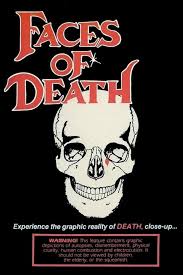 Trying to measure the moral implications of a sprawling, mondo-essayistic dive into the inescapable abstractions surrounding humanity’s dance with death is probably a doomed intellectual exercise from the start. Whether the film registers as a pseudo-documentary with morbid philosophical ambitions or simply as a slab of sensationalist shock-cinema hardly matters. What sticks is the way its ideas claw at something universal—Faces of Death’s macabre musings hit nerves that belong to everyone, turning cheap shockumentary exploitation into something oddly absorbing.
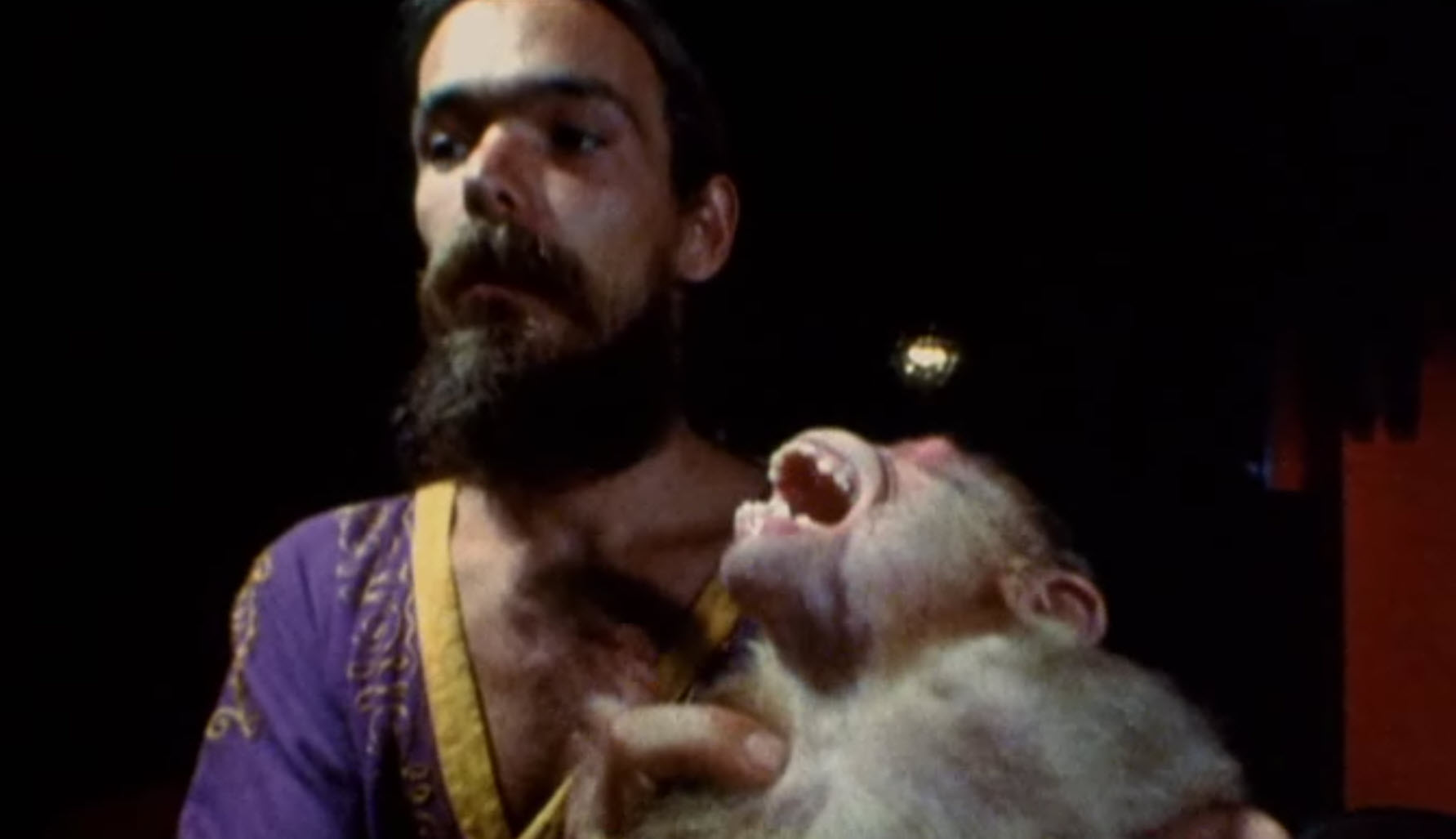
The question isn’t whether what we’re seeing is real or staged; the real spark of controversy lies in how both dramatized material and authentic footage ignite such heated reactions around the ultimate taboo: death itself. Faces of Death is a profoundly dysfunctional contraption—no movie that hopes to pass itself off as thoughtful simply by shoving graphic mortality in front of the lens should ever feel stable or respectable. Director John Alan Schwartz makes no effort to play the wise commentator behind the camera, instead embracing the role of ringmaster and polemicist, pelting the audience with a grisly assortment of animal cruelty, murder, suicide, accidents, disease, and natural catastrophe—a queasy, sleazy mixture of genuine death footage and blatant cinematic trickery.
The stuff that feels real carries a nasty little morbid pull, while the fake material sticks out like a rubber prop in a drive-in splatter flick. What really keeps the whole thing rolling, though, is the cool, deadpan narration from Michael Carr, whose lab-coat pathologist strolls us through a running commentary on mortality and the weird business of death on this planet. Like most mondo oddities, Faces of Death comes loaded with a thick ethnocentric streak and a gleefully sensationalist eye for the grisly. That sideshow mentality chips away at the seriousness the film occasionally pretends to have in its faux-documentary rummaging through one of humanity’s biggest and messiest mysteries.
The film’s real accomplishment isn’t how shocking or tasteless its imagery might be, but the strange, almost meditative rhythm it slips into. That effect comes from a crafty, stripped-down use of the most primitive tools of documentary filmmaking—the same raw curiosity that drove the Lumière brothers to film workers spilling out of a factory, or Edwin Porter to point his camera at an elephant being electrocuted. It’s that giddy collision between reality and fabrication: grabbing a chunk of the real world and bending it into lurid spectacle for the morbid curiosity of the crowd—us, the audience. From a blood-soaked slaughterhouse to Charles Manson–style cult rituals in San Francisco, from the violent streets of SoCal to a guided stroll through the morgue, from newsreel footage of grisly accidents to the dim theatrics of a séance, the film lurches from one macabre attraction to another. Taken together, it makes Faces of Death feel like the most barbaric American montage film ever assembled.
Real gag here is how unbelievably cheesy this thing can get. Some scenes are so cornball they look like they might keel over and die before the bodies on screen do. But that bargain-bin trashiness is part of the hustle. It tickles some grubby curiosity buried deep in the brain of anyone who enjoys seriously sick cinema—I couldn’t tell you exactly what the itch is, but it’s there. Maybe it’s the film’s nerve in staring death straight in the face with a cold, godless shrug before wandering into spooky metaphysical territory, or maybe it’s just the way it turns moviemaking into a tacky little freakshow circus of death.
That storytelling comes across like sordid prose ripped from a scandal rag, giving the film a scrappy sense of order even if the whole thing feels lopsided. The grotesque montage sequences stir up a swarm of contradictions the filmmakers never bother resolving, opting instead to wave them in the viewer’s face like a challenge. It’s ugly, sure, but it’s also weirdly compelling exploitation. Faces of Death ricochets between grounded observations and vague spiritual doom-talk, which doesn’t solve the puzzle but at least suggests someone involved thought this carnival of gore might lead somewhere interesting. Call it a botched experiment if you like, but if it were completely meaningless nobody would still be debating how bizarrely hypnotic Faces of Death becomes when it tries to ponder humanity’s oldest existential headache.
*Perhaps one of the hardest things about Faces of Death isn’t revisiting it, but figuring out how to rate it—if that’s even possible. In my view, some films exist outside the logic of ratings altogether. How do you assign stars to something that deliberately dismantles the standards by which films are usually judged? It’s a movie that manages to be fascinating and repulsive in equal measure, as compelling as it is questionable. I’m not trying to dodge a position here; I simply think certain works resist the neat categories we try to impose on them. If you’re wondering whether I consider it good cinema, then yes—I do. To me, bad cinema is the kind that provokes nothing at all, neither intellectually nor emotionally. And Faces of Death provokes plenty of both.