Directed by John Duigan
Written by John Duigan
Starring:
- Noah Taylor as Danny Embling
- Thandiwe Newton (credited as Thandie Newton) as Thandiwe Adjewa
- Nicole Kidman as Nicola
Rating: 
What struck me most when I first encountered John Duigan’s teenage elegy The Year My Voice Broke was its almost cosmic ability to evoke existentialism, eroticism, and emotional sincerity through its rural landscapes and tender human trials. Flirting, as the sequel, loses that unguarded capacity to turn drama into poetry — which is regrettable — yet it approaches sociopolitical territory with greater boldness than its predecessor — which is admirable. Still, unlike the first installment, it struggles to fully elude the clichés rooted in coming-of-age storytelling. Nevertheless, although this shortcoming feels somewhat intrusive, the second chapter of Duigan’s autobiographical reflections remains faithful to the adolescent condition — a quality I valued deeply in both of his works.
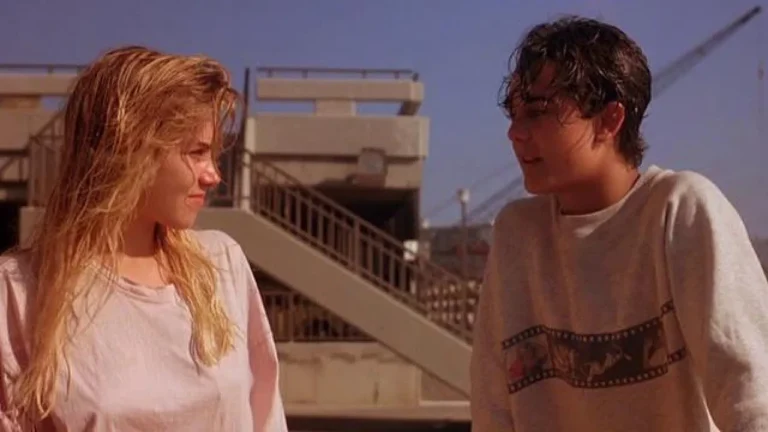
Danny (Noah Taylor) is now 17, far from the sunlit fields and rustic gentleness of the rural town where his boyhood ended. His parents have enrolled him in a strict boarding school, hoping to keep him from falling into the aimless life of the town after the tragedy that defined the first story. The shift is smooth, if not perfect. Taylor carries Danny’s maturity and quiet sadness from The Year My Voice Broke into this new setting. As soon as his steady narration begins, describing the austere atmosphere of his new academic world, we recognize him immediately — older, but unchanged in essence. He has moved on, though not completely; a photograph of his first love remains hidden between the pages of a book. Now his gaze falls on Thandiwe Adjewa (Thandiwe Newton), the only Black girl at the school, confident, clever, and magnetic. The two fall for one another, meeting secretly as Danny sneaks from his dorm at night, and she, in turn, finds her way to him.
Aside from the tender romance between Danny and Thandiwe, the remainder follows the familiar contours of any coming-of-age story set within a boarding school. Yet, I’m once again astonished by John Duigan’s flair and sensitivity in portraying adolescent sexuality with such honesty and nuance. As in The Year My Voice Broke, desire here burns with raw physicality, though it is rendered with an extraordinary delicacy and grace. The story unfolds through subtle gradations of conflict. At first come the visible ones — the usual teenage rivalries, the sting of jealousy, and the unending tension between obedience and rebellion. But beneath them stir deeper, quieter forces — the political kind. To set an interracial romance at the heart of a 1960s narrative is already a political gesture, yet Duigan refuses to sermonize. He allows his characters to breathe as human beings rather than abstractions, weaving his commentary through them rather than speaking through their mouths. The result is a film that first explores youthful passion, the tension between maturity and naivety in love, and then reflects on the enduring shadows of fascism and institutional prejudice. These strands may not fully meet, but in Danny’s navigation of them, we witness the shaping of a conscience, and with it, the film’s truest emotional core.
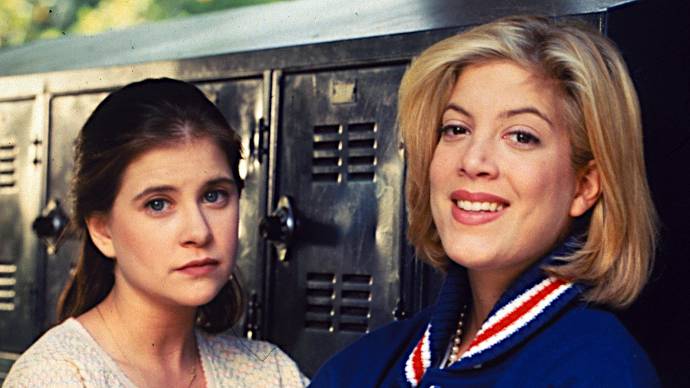
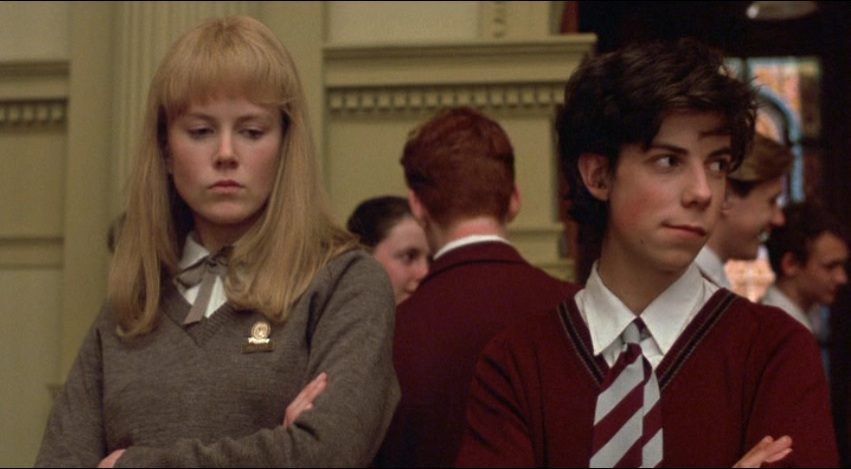
Though I greatly missed the vast, almost sacred landscapes of the first film and their lingering spiritual aura, I must concede that the strict architectural boundaries of the boarding school bring a new and stimulating dimension to Danny’s growth. Commonplace as these settings might appear, Duigan transforms their familiarity with remarkable wit and elegance. Another noteworthy aspect of this sequel lies in its treatment of adolescent behavior. Where most coming-of-age films reduce student hierarchies to caricature, here Duigan exposes their fluidity: each student, consumed by insecurity, contributes to a strangely egalitarian chaos. Everyone seems to share the same fragile sense of youth, untouched by class or privilege. Nicole Kidman is superbly radiant as the charmingly insufferable queen bee, while Thandiwe Newton, as Danny’s love interest, brings grace and intelligence to her clashes with the conceited arrogance of her blonde dorm mates. The cast as a whole harmonizes beautifully with the script’s tone of daring sincerity.
It might not possess the same lyrical depth as The Year My Voice Broke, but this film remains a bittersweet, occasionally funny extension of Duigan’s intimate chronicle of adolescence. It’s unfortunate that Duigan’s trilogy remained incomplete, since a third film exploring Danny’s next stage of life would have been fascinating.