Directed by Fritz Lang
Written by Casey Robinson
Starring:
- Dana Andrews as Edward Mobley
- Rhonda Fleming as Dorothy Kyne
- George Sanders as Mark Loving
- Howard Duff as Lt. Burt Kaufman
- Thomas Mitchell as Jon Day Griffith
- Vincent Price as Walter Kyne
- Ida Lupino as Mildred Donner
- John Drew Barrymore as Robert Manners (credited as John Barrymore Jr.)
Release Date: April 15, 1956
Rating: 
Fritz Lang’s foray into the tabloid underbelly, following reporters scavenging a sensational crime, stands as one of his iciest and most corrosive critiques of modern journalism. In his penultimate Hollywood film, Lang revisits the disquieting “empathetic” dynamic that shaped M, but he refracts it through a more jaded, late-career sensibility. Here, misanthropy is not shouted but whispered, creeping through the film’s architecture with fatalistic precision. It becomes clear that Lang’s sympathies lean toward the ostracized and morally ambiguous figures rather than the ostensibly upright institutions that claim virtue. While the City Sleeps doesn’t resort to grand insinuations to make this plain; a single, mercilessly ironic gesture is enough to expose the filmmaker’s contempt for human greed and his enduring skepticism toward Western moral relativism.
Cheaply mounted but swinging for the fences like any RKO prestige gig, While the City Sleeps doesn’t flash the visual fireworks of Lang’s earlier triumphs, and it sure as hell isn’t his most polished machine. But what it does have is the meanest, tightest, most stacked cast Lang ever wrangled—only The Maltese Falcon comes close. Working from Casey Robinson’s razor-snappy script—swiped from the real lipstick-killer headlines—Lang skips the whole tough-guy thriller routine. Instead, he turns the movie into a snarling, sociopathic character free-for-all, a newsroom cage match where every smile has fangs.
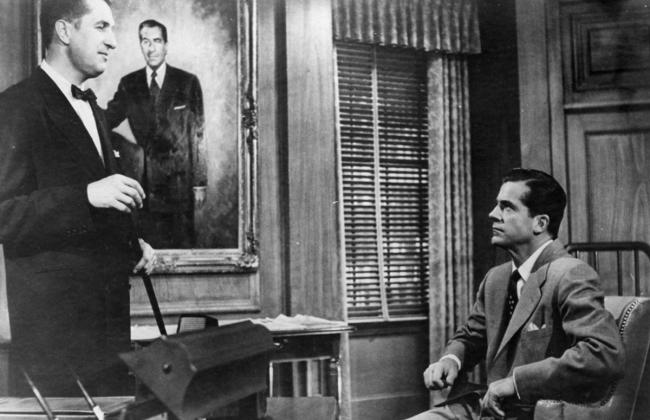
The headliners of this immoral circus of yellow-press buffoonery are a rogue’s gallery of power-hungry media vipers: Edward Mobley, the gruff and quietly superior news anchor (Dana Andrews in full gravel-throated mode); Mark Loving, the oily wire chief with George Sanders’ signature fake propriety; the tireless newspaper bulldog Jon Day Griffith (a fantastic Thomas Mitchell); and Harry Kritzer, the smirking, two-faced TV boss played with shameless swagger by James Craig. They’re all charming in that specific, serpentine way only newsroom egomaniacs can be.
When the tycoon who employed this gang of ink-smeared gladiators dies, his pampered son Walter Kyne (Vincent Price at his most deliciously arrogant) inherits the empire. Walter doesn’t know a damn thing about news—he’s a trust-fund dilettante cosplaying as a media kingpin. His grand strategy? Hire an executive director. But not by choosing one—by turning the newsroom into a blood sport. Whoever bags the scoop on the lipstick-killer case wins the crown.
Greed escalates into demolition-derby chaos as each contender leaves collateral damage in their wake. Caught in the frenzy are Mildred (Ida Lupino), the newsroom’s most seductive shark; the deluded Lt. Kaufman (Howard Duff), in over his head; Nancy (Sally Forrest), Mobley’s straight-laced secretary fiancée; and Dorothy (Rhonda Fleming), the film’s scheming, glamorous pseudo-femme-fatale—Walter Kyne’s wife and Kritzer’s side-dish. Together they complete the vicious carousel of manipulation, tearing at each other like showdogs over a bone—all for one damn job.
At first, these competing newsmen seem unpredictable enough that we actually pick favorites—poor fools that we are. Lang’s blunt, almost deliberately crude camerawork toys with our instincts, preying on whatever humanistic faith we still have. For a moment, he even tricks us into thinking Dana Andrews’ Mobley might have a shred of noble intention buried under the cynicism. Wrong. The pleasure of discovering just how rotten they all are is deliciously cruel, pulling us right into this gladiator pit—only the warriors aren’t Roman brutes but well-groomed journalists clawing at each other in the cluttered sprawl of the American metropolis.
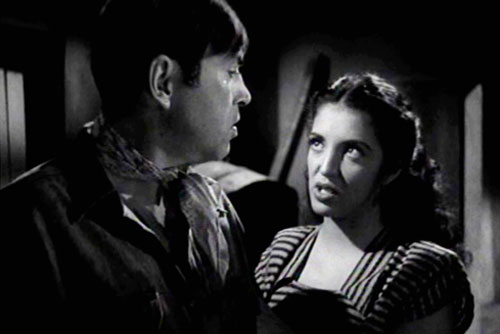
Before Psycho, before the gialli, before the slasher boom turned murder into a cinematic cottage industry, Lang’s 1956 scorched-earth noir was already playing with the toys of modern horror. John Barrymore Jr.’s tormented killer stalks the frame with black leather gloves and a voyeur’s dead stare. The film isn’t centered entirely on him, but that opening scene? It’s basically the first American slasher sequence—accidental, primal, and brutal enough to shake the timeline.
Everything in Lang’s film drips with irony. The dialogue tears through scenes with mordant, almost sadistic energy; the innuendos are so raunchy and barbed that the Hays Code might as well have been taking a nap; and the whole atmosphere is so overblown it feels like an irony stuffed inside another irony—a lurid tale wrapped in an even lurider one. Even the city is a joke: the story swears it’s New York, but any half-awake viewer can see it’s pure Los Angeles. All of it feeds the film’s acidic sense of humor—funny in the cruelest, most poisonous way. Nobody here is redeemable. If anyone has a shot at sympathy, it’s the killer—how’s that for twisted? That’s the kind of moral maze Lang thrives in, and here he nails it with wicked precision. Another black-hearted gem in the long line of black-hearted gems from one of cinema’s true masters of doom.